English
 Español
 Português
 Русский
 Français
 日本語
日本語
 Deutsch
 Tiếng Việt
 Italiano
 Nederlands
 ไทย
ไทย
 Polski
 한국어
한국어
 Svenska
 Magyar
 Bahasa Melayu
 বাংলা
বাংলা
 Dansk
Dansk
 Suomi
Suomi
 हिन्दी
 Filipino
 Türkçe
 Gaeilge
 العربية
 Bahasa Indonesia
 Norsk
Norsk
 اردو
اردو
 Čeština
 Ελληνικά
 Українська
 Basa Jawa
 فارسی
فارسی
 தமிழ்
தமிழ்
 తెలుగు
 नेपाली
 မြန်မာ
 Български
 ລາວ
ລາວ
 Latina
 Қазақша
 Euskera
 Azərbaycan
 Slovenčina
 Македонски
 Lietuvių
 Eesti
Eesti
 Română
 Slovenščina


Home
>
News
>
Industry News
>
The "5 Common Misuse of Kitchen Air-Tight Container": Are You Pushing Your Food to the Brink of Spoilage?
The "5 Common Misuse of Kitchen Air-Tight Container": Are You Pushing Your Food to the Brink of Spoilage?
2025/12/02
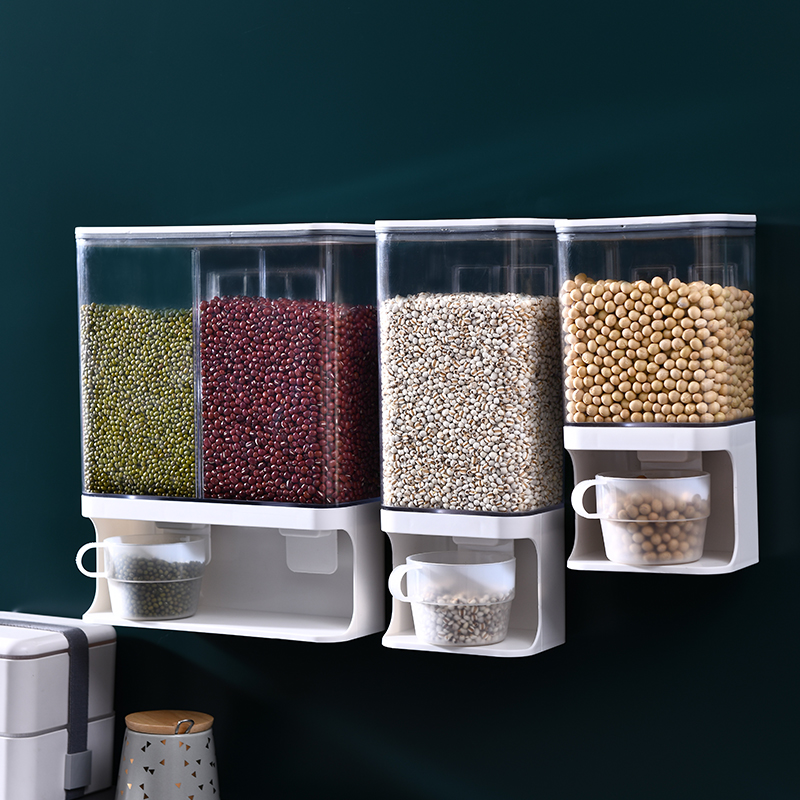
Misconception 1: Blindly Pursuing Uniformity, Using One Type for Everything
When purchasing Kitchen Air-Tight Container , many fall prey to "neatness obsession," buying large sets of identical style and size for absolute visual uniformity. While aesthetically pleasing, this approach ignores the fundamental differences in storage requirements for different foods.
Confusing Dry and Moist Items: Storing moisture-sensitive items like nori or tea leaves in the same type of container as items that might retain moisture, such as homemade pickles or jam, is a frequent error. The former requires absolute dryness, while the latter can produce condensation. If the container lacks excellent corrosion resistance and stable sealing, cross-contamination or spoilage is highly likely.
Neglecting the Need for Light Protection: Spices like peppercorns and chili flakes, as well as many cooking oils, oxidize rapidly under light, developing a rancid smell. This off-flavor comes from fat oxidation, which not only ruins taste but can also be unhealthy with long-term consumption. Storing such items in fully transparent Round Sealed Canisters and leaving them on open counters exposes them to this exact risk.
The Solution: Differentiated Selection Based on Function
The correct approach is to choose containers based on the item's properties. For spices or tea leaves requiring absolute dryness, opt for containers with superior seals like the Four-Snap-Lock Sealed Jar or the Easy-Snap Sealed Canister with a silicone gasket. For nuts, coffee beans, and other high-fat, oxidation-prone foods, the Vacuum-Pumpable Sealed Canister is the best choice to effectively block oxygen and delay rancidity. For grains or flour with varying consumption rates, the Handle-equipped Measuring Cup Sealed Canister is ideal for easy access and inventory management.
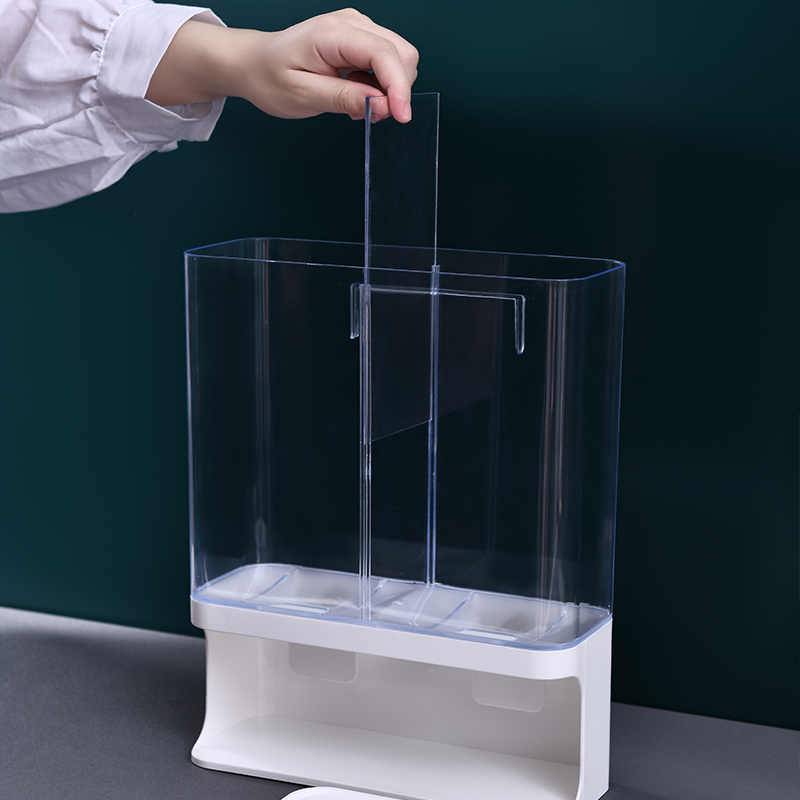
Believing food is forever safe once inside an Kitchen Air-Tight Container is another critical mistake. Containers provide a relative barrier, not absolute stasis.
The Moisture Trap Within "Sealed" Environments: Especially in humid climates or when containers are placed near sinks, even with a good seal, hot, moist external air can condense on cooler container surfaces. This lingering moisture around latches or threaded lids can foster mold. For instance, the wooden component of some Sealed Canisters with Wooden Lids can easily absorb this moisture, leading to mold and warping.
The Hidden Danger of Cleaning Blind Spots: The seal of most containers relies on a silicone gasket inside the lid. If used for oily, sugary, or saucy foods without thoroughly cleaning this gasket and the container's rim, residue can oxidize, become a breeding ground for bacteria, and contaminate new contents.
The Solution: Proactive Management and Deep Cleaning
First, ensure the storage environment itself is cool, dry, and dark. Second, establish a routine for deep cleaning. Always remove the silicone sealing ring during washing, clean it thoroughly with mild detergent, and ensure it is completely dry before reassembly. For containers that held strong-smelling foods (like spices, dried seafood), try soaking them in lemon water or a baking soda solution after washing to neutralize odors.
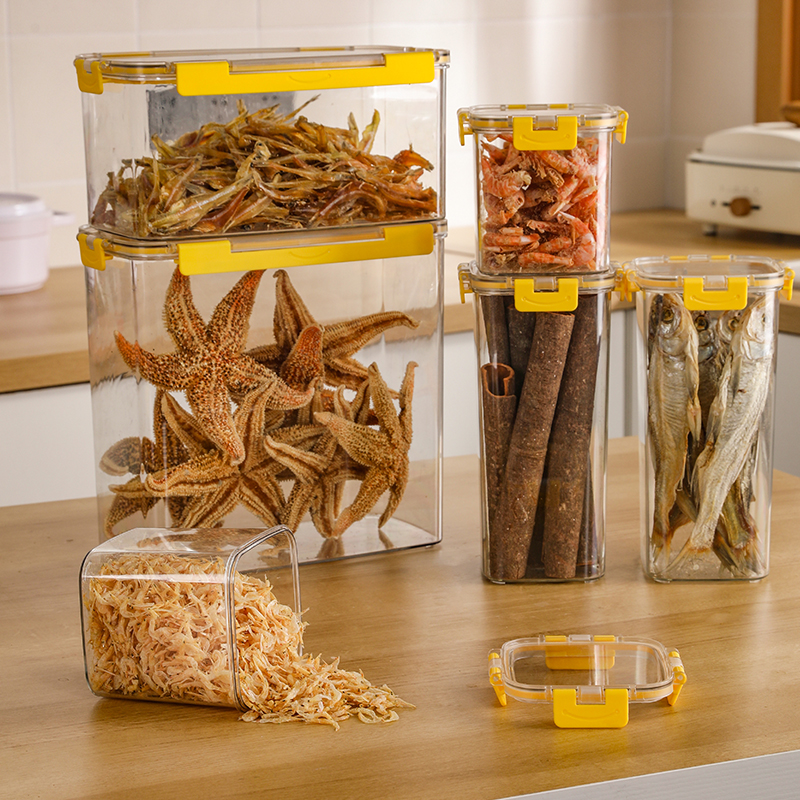
Influenced by social media, many containers gain popularity for their "retro" or "Instagrammable" looks. However, for items in direct contact with food, material safety must always come first.
The Risks of Low-Quality Plastics: Inexpensive, brightly colored plastic containers may use non-food-grade materials, posing a risk of leaching harmful substances over time, especially when storing oily foods or experiencing temperature fluctuations.
"Pseudo-Seals" and Material Degradation: Even with a glass body, the lid material is crucial. Some products use ordinary rubber or poor-quality silicone for gaskets, which are prone to aging, cracking, and developing odors, compromising the seal. Lids on Sealed Canisters with Wooden Lids, if not properly treated, also risk mold and odor absorption.
The Solution: Look for Certifications, Prioritize Materials
When purchasing, always look for clear labeling such as "Food Safe" or compliance with relevant food safety standards. Opt for containers made from borosilicate glass, which is heat-resistant, durable, and highly safe. For lids, choose designs with food-grade silicone sealing rings. For aesthetically pleasing options like Sealed Canisters with Silicone Lids or wooden lids, verify their food-grade certification and understand any special care requirements.
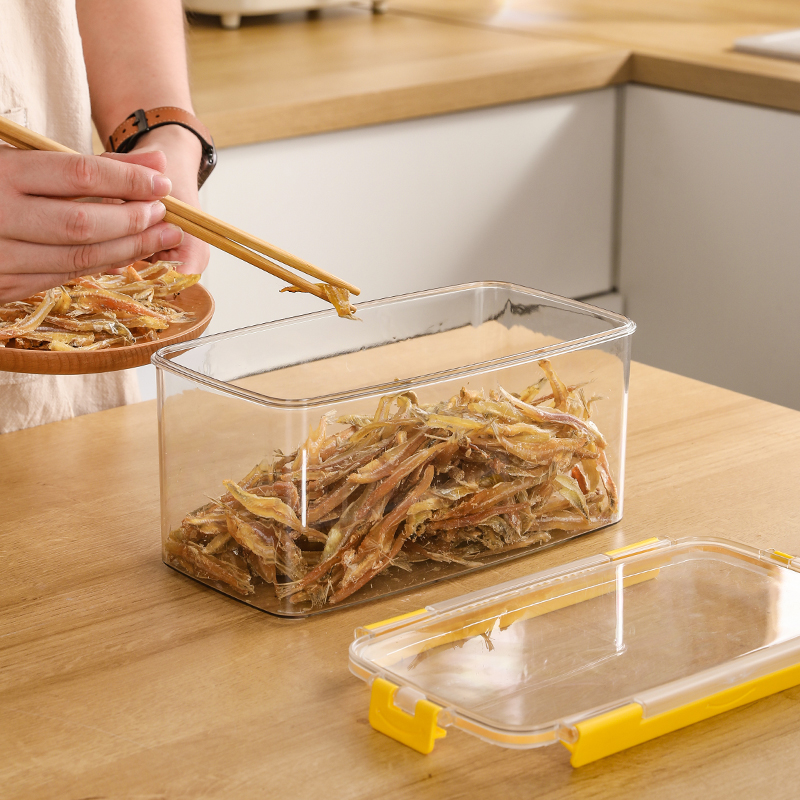
In maximizing space, we often stack containers high or tuck them deep into cabinets. This undermines convenience and can lead to forgotten food.
Food Forgotten in Dead Corners: Containers stored at the back of cabinets, hidden behind others, are easily forgotten until they expire and spoil—defeating the core purpose of organized storage: reducing waste.
Unstable Stacking and Access Difficulty: Not all containers are designed for stacking. Non-standard shapes or unstable bases can lead to toppling piles, making accessing lower containers a frustrating chore.
The Solution: Systematic Planning and Vertical Space Use
For everyday ingredients, follow the "visible, accessible" rule. Wall-Mountable Sealed Canisters are excellent for saving counter space, allowing you to hang frequently used spices or tea bags on walls or inside cabinet doors for instant visibility and access. Choose containers with uniform diameters and anti-slip bases for safe, stable vertical stacking. Additionally, consider using a lazy Susan turntable to hold multiple small containers, providing easy access to those at the back.
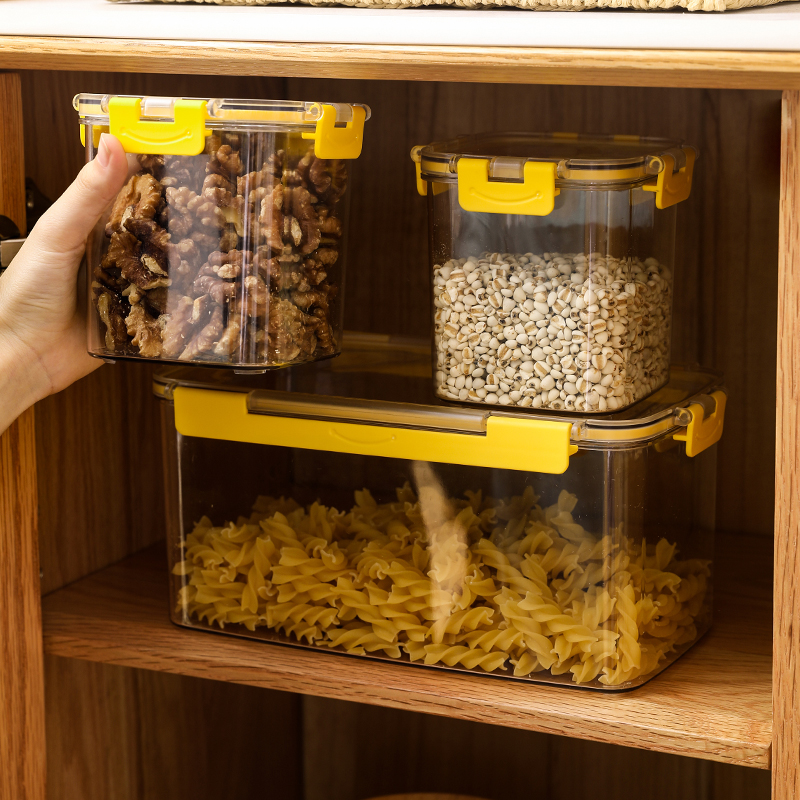
Kitchen Air-Tight Container are not the sole storage solution for every kitchen scenario. Forcing them into all roles can be inefficient and unsuitable.
The Refrigerator Storage Pitfall: Refrigerators are humid, odor-rich environments. Placing ordinary containers without robust seals inside can still lead to moisture absorption or flavor transfer. This is especially true for high-moisture items like cut fruit or leftovers.
The Long-Term Stockpiling Trap: Containers can create a false sense of security for "long-term storage." In reality, most foods have an optimal consumption window. Buying in bulk and dividing into multiple containers doesn't prevent expiration if consumption is slow.
The Solution: Precise Matching for Purpose
Understand the design intent behind different containers. For example, canisters with Silicone Lids or special lock designs often emphasize water and air tightness, making them suitable for refrigerator use. For bulk items like rice or flour, a large rectangular container might save more space than multiple small round ones. For short-term storage of snacks or candies, a simple Easy-Snap Sealed Canister or a compact desktop model may suffice.
Guide to Selecting and Using Different Kitchen Air-Tight Container
To help you make informed choices, here is a guide matching the provided container types with their core features and ideal uses:
| Container Type | Core Features | Best Use Cases | Key Considerations |
| Vacuum-Pumpable Sealed Canister | Removes internal air, dramatically slows oxidation. | High-value nuts, coffee beans, supplements, dried goods for long-term storage. | Check pump efficiency and durability; inspect/replace silicone ring periodically. |
| Four-Snap-Lock Sealed Jar | Mechanical press-to-seal, reliably secure closure. | Everyday ingredients needing frequent access but moisture protection: grains, flour, tea. | Ensure all snaps are evenly engaged; check plastic snaps for wear over time. |
| Handle-equipped Measuring Cup Sealed Canister | Integrated measuring tool for convenience. | Baking staples (flour, sugar), any ingredient requiring measured portions. | Keep the cup-lid connection clean to prevent residue buildup and caking. |
| Wall-Mountable Sealed Canister | Utilizes vertical space, frees up countertops. | High-frequency use items: spices, tea bags, small snacks. | Ensure mounting adhesive or hardware is weight-rated and secure; keep away from heat sources like stovetops. |
| Sealed Canister with Silicone Lid | Soft, conforming lid seal; often temperature-tolerant. | Refrigerated items, microwave reheating (confirm material), temporary storage. | Silicone absorbs oils/odors; requires meticulous cleaning. |
| Round Sealed Canister | Versatile design, easy to clean. | Liquid condiments (oil, soy sauce), jam, pickles, general dry storage. | For liquids, confirm gasket performance; store light-sensitive items in darkness. |
| Sealed Canister with Wooden Lid | High decorative appeal, distinct style. | Dry tea blends, candy, decorative storage. | Wood is moisture-sensitive; not for wet foods; avoid prolonged soaking during cleaning. |
| Easy-Snap Sealed Canister | Simple, quick open/close, often one-handed operation. | Daily snacks, candy, ingredients for short-term storage. | The "easy" mechanism may offer slightly less extreme sealing than multi-latch designs. |
Moving beyond these misconceptions is fundamentally about building a more scientific and nuanced understanding of food storage. It's no longer just about "putting it away," but about matching food with its "personality" by providing a safe, suitable "home." By correctly selecting and using these kitchen guardians, we can create a kitchen that is not only visually tidy but also genuinely safeguards our family's food safety and health, ensuring every ingredient is used to its fullest and kept far from the brink of spoilage.
-
E-mail
-
Call Us
+86-17858251051
-
Address
No. 133 Huangjiao Road, Huangyan District, Taizhou City, Zhejiang Province
Inquiry For Price List
Offers excellent, comprehensive customer service every step of the way. Before you order, make real time inquiries through...